01
Vehicle interface
Confirm protocols, compatible models and authorization before claiming that data is supported.
A compact device concept for vehicle data connectivity and access to intelligent diagnostic services, with potential deployment in fixed workshops, mobile inspection and fleet environments.
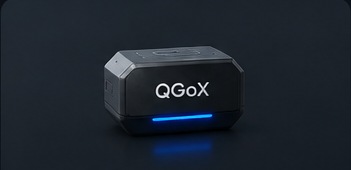
A compact connectivity device concept suited to installation and portability across different work environments.
Collect diagnostic information through vehicle interfaces confirmed to be supported.
Serve as a connection point between the vehicle, companion software and AI diagnostic services.
Explore deployment options for workshops, mobile service and fleet operations.
Work is performed based on the actual vehicle, interface conditions and technician judgment.
Work is performed based on the actual vehicle, interface conditions and technician judgment.
Work is performed based on the actual vehicle, interface conditions and technician judgment.
Work is performed based on the actual vehicle, interface conditions and technician judgment.
Automotive repair shops, mobile repair services, fleet operators and automotive electronics channel partners.
A smart diagnostic terminal concept for professional technicians and automotive service centers. It brings vehicle inspection information, fault analysis and repair assistance together to help technicians work through checks in a more structured way.…
View Details →A wearable assistance concept for automotive repair environments, exploring hands-free information access, voice interaction and step-by-step repair prompts.…
View Details →A robotics R&D direction for next-generation automotive service. It explores intelligent diagnostics, human–robot collaboration and repair-task assistance for future workshop automation.…
View Details →The value of a compact device is reliably bringing available vehicle information into an appropriate diagnostic workflow. Hardware access, connectivity and AI analysis are separate capabilities that must be verified for each device, vehicle and companion service.
Confirm protocols, compatible models and authorization before claiming that data is supported.
Choose a verified path to the tablet, mobile device or software service.
Pass available information to companion software; missing information may require manual tests.
Assess updates, permissions, network conditions and data-use boundaries.
Tell us about your target market, product needs and use case.